
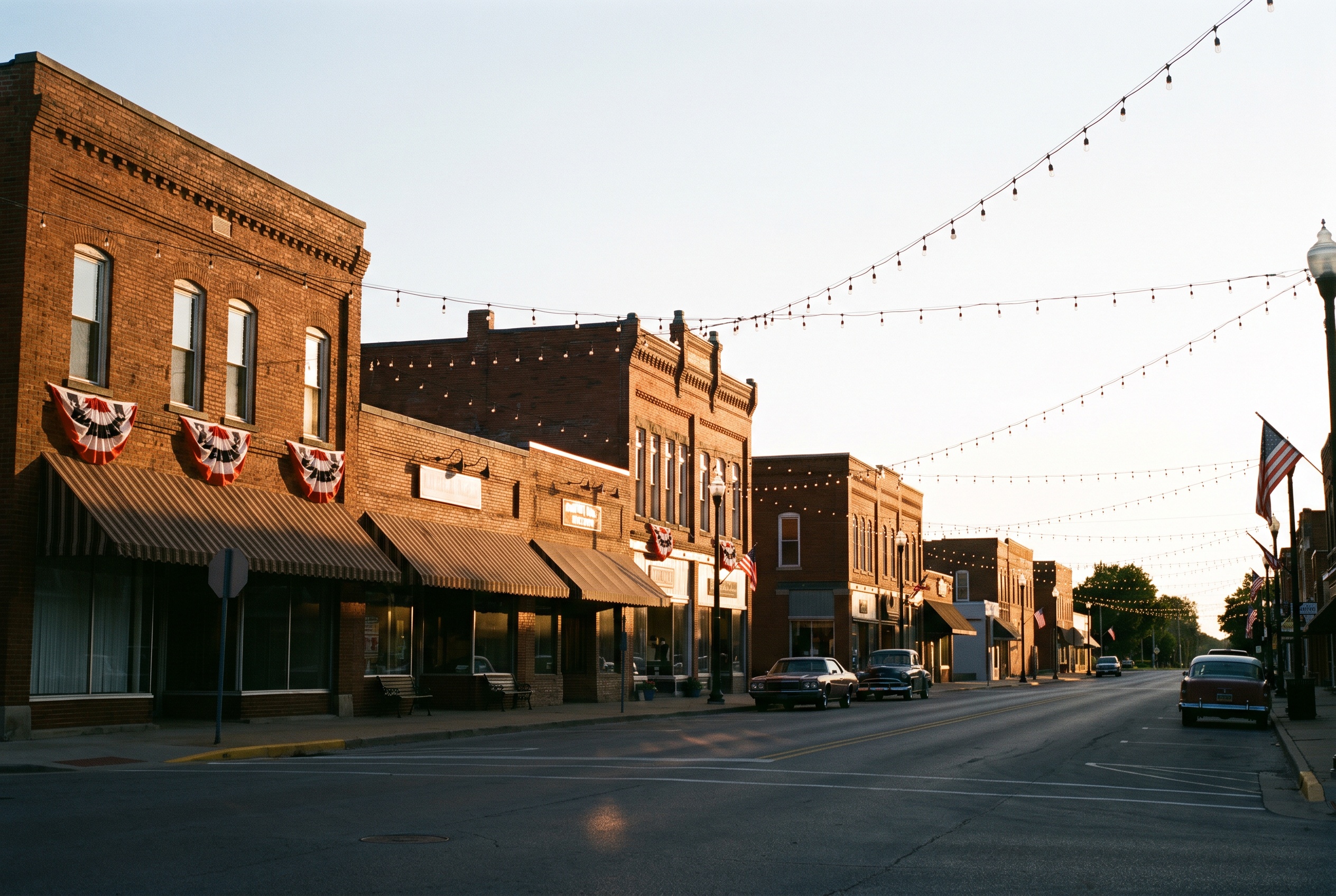

Pella shuts down its main square every May and fills it with wooden shoes, windmill blades and more tulips than a person can count without losing their place. That’s the honest reason to drive out to Marion County for Tulip Time. The Dutch heritage angle is real — the town was founded by Dutch immigrants in the 1840s — but the festival itself is bigger than a heritage nod. Streets get scrubbed by hand, parade routes fill three deep, and the klompen dancers actually rehearse for months. You’re not watching a reenactment. You’re watching people who take this seriously.
Tulip Time, Pella
Expect crowds. Pella is a town of a few thousand people and Tulip Time draws far more than that over its run. Parking fills up fast near the central square, so plan to walk a few blocks from wherever you end up leaving the car. Food vendors line the streets with Dutch pastries — the almond-filled ones are worth the wait — and the tulip beds themselves get planted and timed by the city so they’re blooming right when the festival opens. Go in May. That’s not flexible. Tulips don’t negotiate with a road trip schedule, and if you show up in June you’ll get green stalks and a lot of explaining from locals about how good it looked last week.
Molengracht Plaza anchors the action, but wander a few blocks out and you’ll find the historic district and the Vermeer windmill, which is functional and worth a slow look even outside festival weekend.
Nordic Fest, Decorah
Decorah, up in Winneshiek County off US Highway 52, runs Nordic Fest in late July, and it leans into Norwegian and broader Scandinavian heritage the way Pella leans Dutch. Expect rosemaling demonstrations, live folk music, and a lot of lefse being made in real time, which smells better than it sounds if you’ve never had it. The town sits along the Upper Iowa River, so after the festival grounds close for the day, a walk down toward the water is a good way to let your ears recover from the accordion.
Timing matters here too. Late July in Decorah is warm but rarely brutal, thanks to the river valley and tree cover downtown. Bring a hat anyway.
National Hobo Convention, Britt
Britt, in Hancock County off Highway 18, hosts something you won’t find replicated anywhere else in the state: the National Hobo Convention, held in August. It started in the 1900s as a genuine gathering point for traveling laborers riding the rails, and it’s kept that thread alive longer than most people would guess. There’s a hobo king and queen crowned each year, a parade, and a communal stew cooked in big pots the way it would’ve been done trackside a century ago. The State Historical Society of Iowa has archived material on the convention’s roots if you want the backstory before you go, and it makes the whole thing land differently once you know it’s not a novelty act — it’s a preserved subculture with its own etiquette and history.
Go for the parade in the morning, stay for the stew at midday. The town is small enough that you can walk the whole festival footprint twice before lunch.
Madison County Covered Bridge Festival, Winterset
October in Madison County means the Covered Bridge Festival in Winterset, off Highway 92. The bridges themselves are the draw — six of them scattered around the county, most built in the late 1800s — but the festival adds craft vendors, food stands and a genuinely good reason to drive the covered bridge scenic route while the trees are turning. Fall color in southern Iowa peaks unevenly depending on the year, so this is one festival where the calendar date matters less than checking conditions the week before.
Winterset itself is worth the extra hour even outside festival weekend. The downtown square has held up well, and the town has a low-key, unhurried feel that a lot of festival towns lose once the crowds show up.
Danish Days, Elk Horn
Elk Horn, in Shelby County off Highway 173, holds Danish Days over Memorial Day weekend and claims — credibly — to be the largest rural Danish settlement in the country. Expect aebleskiver, a working windmill imported from Denmark, and a small-town parade that takes maybe fifteen minutes to pass but feels longer because everyone in it seems to know everyone watching.
The thing most people get wrong
Nearly every one of these festivals runs longest and least crowded on its first day, usually a Thursday or Friday, and busiest on Saturday. If you want the parade experience without fighting for sidewalk space, go early in the run rather than on the peak day everyone assumes is the only day worth showing up. Check Travel Iowa for current festival calendars before you commit to a weekend, since dates shift year to year and small towns don’t always update their own signage as fast as the tourism office does.