
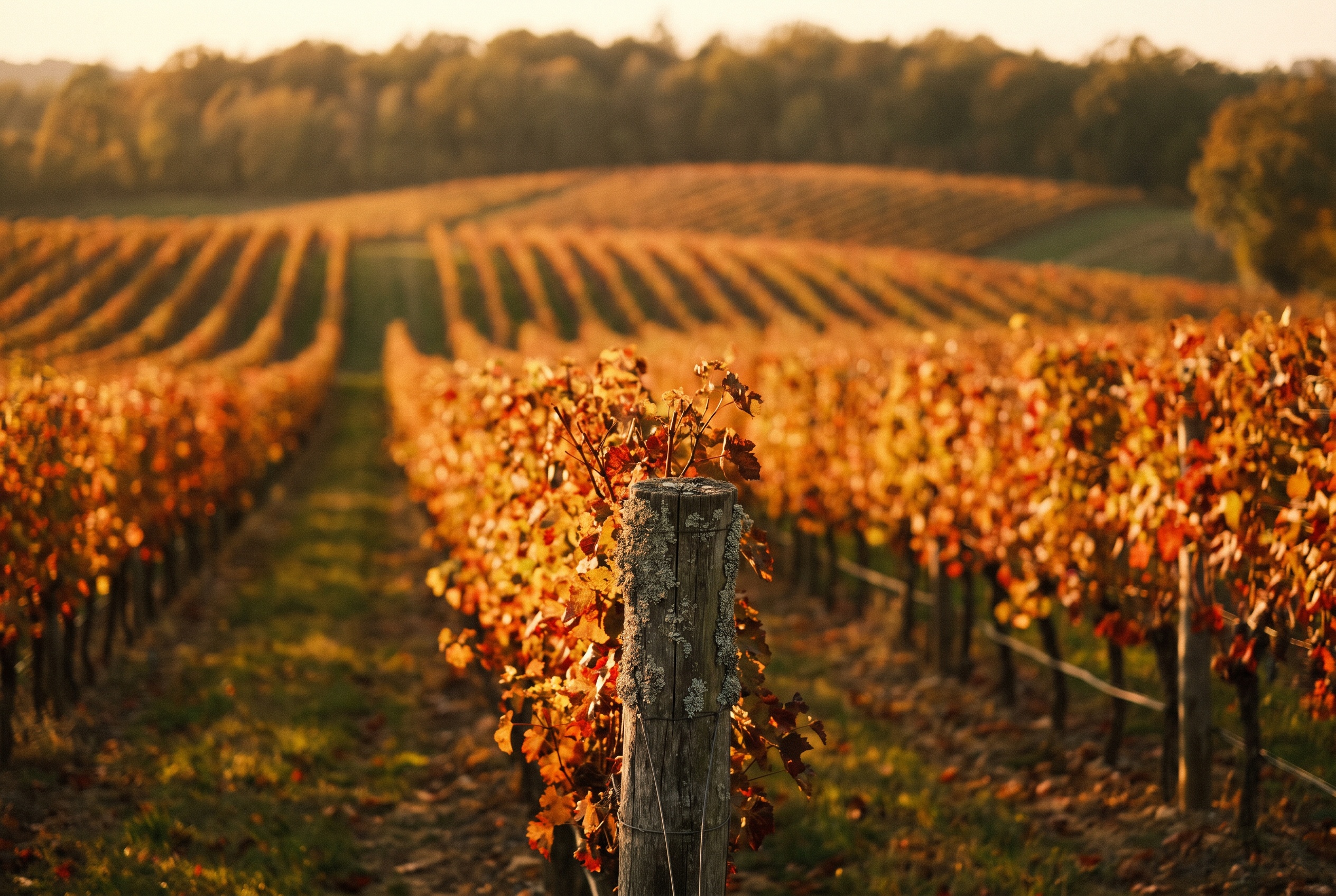

The seven Amana Colonies villages sit close enough together that you can taste your way through several wineries in an afternoon without ever getting on the interstate. That’s the draw. Iowa County’s cluster of small, family-run tasting rooms — set in old general stores, converted barns, and storefronts along the same brick streets the original German communal settlers built — lets you park once in Amana or Middle Amana and walk or make short five-minute drives between stops. Most pour Iowa-grown varieties you won’t find anywhere else: Marechal Foch, La Crescent, Frontenac, grapes bred specifically to survive a winter that would kill a French vine outright.
What to expect when you get there
Don’t go in looking for Napa. The tasting rooms here are small, often a single counter with a handful of open bottles, and the person pouring your sample is usually the person who grew the grapes. Flights run sweeter than what you’d get from a California cabernet — Iowa’s cold-hardy varieties tend toward higher acid and lower tannin, and a lot of the wineries lean into that with fruit wines made from rhubarb, cranberry, or the county’s own apples. Expect a gift shop attached, usually stocked with jam, honey, and Amana Colonies woolen goods. Some tasting rooms have small patios with a view of vineyard rows; others are strictly indoors, especially the ones housed in the colonies’ original stone and brick buildings.
Bring cash or a card and don’t expect a full restaurant menu at every stop. A few wineries offer a cheese board or a light snack, but this is a sipping circuit, not a dinner crawl. Plan your actual meals around the Amana Colonies’ communal-style restaurants, which serve family-style German fare and are a tradition unto themselves.
When to go, and why it matters
Late September into October is harvest season, and it overlaps with Amana’s Oktoberfest and fall festival season, so the villages are livelier and the vineyards are at their most photogenic — though parking gets tighter on festival weekends, so arrive early on a Saturday if you want a spot near the main village. May and early June are quieter, with vineyards in bloom and fewer crowds, though not every winery has released its current vintage yet.
Winter is a different story. Several tasting rooms cut back their hours substantially or close entirely between January and March, since the vineyards are dormant and tourist traffic thins out. If you’re planning a trip outside the growing season, call ahead or check current listings through Travel Iowa before you build a whole weekend around a specific stop.
What else is nearby
The Amana Colonies themselves are worth a full day separate from the wine. It’s a National Historic Landmark district, and the State Historical Society of Iowa maintains background on the communal Amana Society that settled the area in the 1850s, if you want context before you start tasting. The Amana Heritage Museum sits right in the main village and gives a fast, useful primer on how the colonies actually worked before they incorporated as a business in the 1930s.
From Amana, it’s a short drive down Highway 151 to Cedar Rapids if you want a bigger city for dinner or a hotel with more than a handful of rooms. Kalona, about forty minutes south on a mix of county roads, adds an Amish and Mennonite settlement with its own bakeries and quilt shops, a nice contrast if you want to stretch the weekend into a second day. Iowa City and the University of Iowa campus are close enough — under thirty minutes — to fold into the same trip if you’d rather sleep somewhere with more restaurant variety than the colonies offer.
The thing most people get wrong
People assume the Amana wineries operate like a single coordinated wine trail with one map and one set of hours. They don’t. Each one is independently owned, and hours vary by day and by season more than visitors expect — a winery that’s open until early evening on Saturday might close at mid-afternoon on Sunday, or not open at all on a weekday. Don’t build a tight schedule assuming every stop will be open when you arrive. Give yourself slack, call ahead for the one or two places you most want to hit, and treat the rest of the loop as whatever’s actually open that day. That flexibility is honestly the better way to do this trip anyway — the best pour of the weekend is rarely the one you planned around.