

The reason Iowa goes first has almost nothing to do with Iowa. It has to do with a printing deadline in 1972 and a party rulebook nobody outside a few state capitols had bothered to read.
After the chaotic 1968 Democratic convention in Chicago, the national party overhauled how states picked delegates. The new rules, written by the McGovern-Fraser Commission, required more time between each step of the process: precinct meetings, then county conventions, then district conventions, then the state convention. Iowa Democrats, working backward from their state convention date and dealing with slow printing schedules for their new rulebooks, realized they needed to hold precinct caucuses much earlier. In 1972, they moved the caucuses to May, and by 1976, they pushed them into January. That placed Iowa ahead of New Hampshire’s primary, creating a new spot at the front of the line that nobody originally planned for.
What made it stick
The accident became a strategy in 1976. Jimmy Carter, a one-term Georgia governor with almost no national name recognition, camped out in Iowa for months, driving between small-town Rotary Clubs and county fairs while the bigger campaigns ignored the state entirely. He didn’t win a majority in the caucuses. He won enough of a plurality, and enough press attention, to walk out of Iowa as a story: the outsider who’d beaten expectations. That momentum carried him through New Hampshire and eventually to the White House. Every campaign since has treated Iowa the same way Carter did, as the place where an unknown candidate can become a known one, or where a frontrunner can stumble in public for the first time.
What actually happens on caucus night
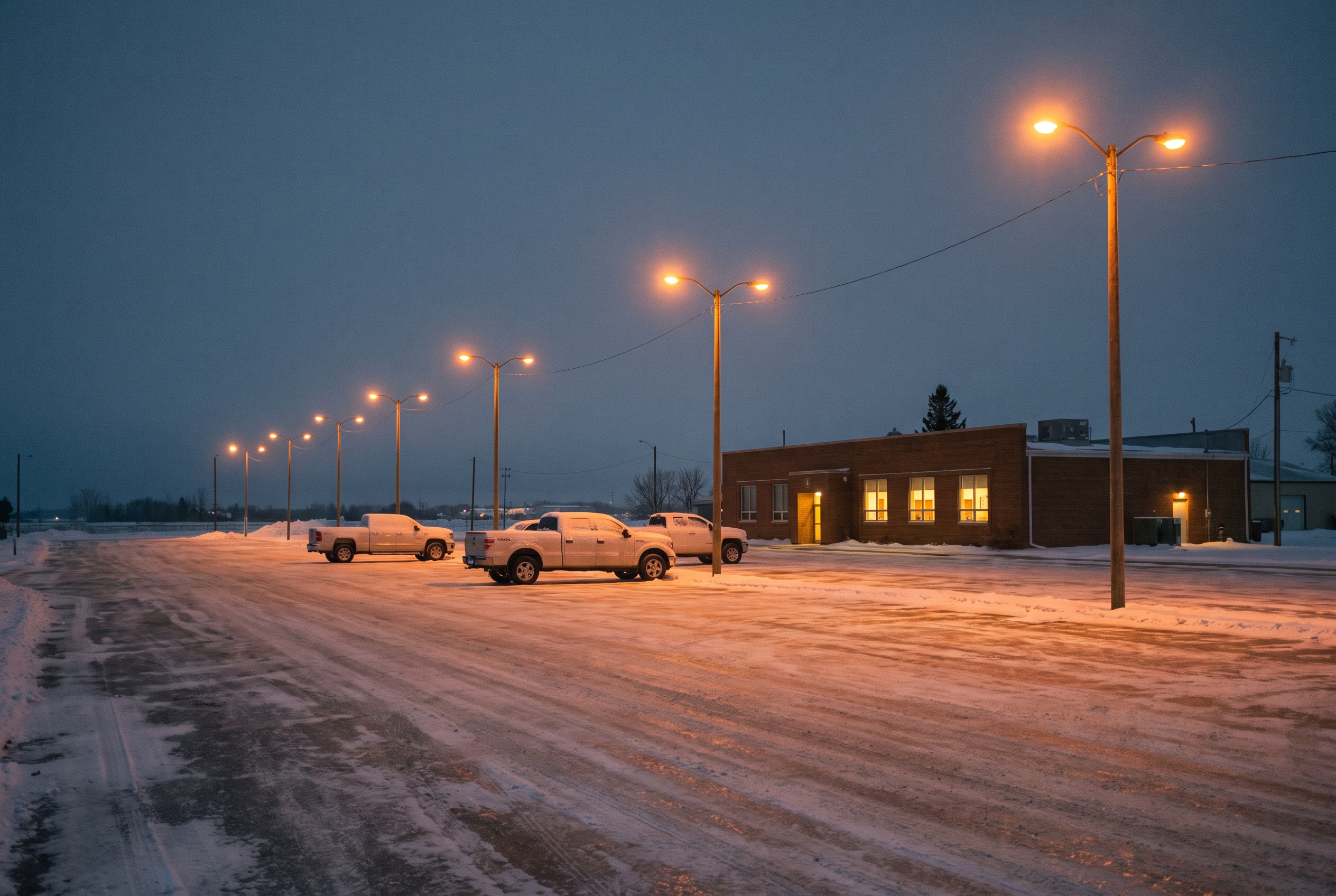
A precinct caucus isn’t a primary, and it doesn’t run like one. Voters gather in person, on one night, at a set hour, in school gyms, church basements and community centers across all 99 counties. Des Moines hosts the largest concentration of caucus sites given its population, but the process plays out identically in Sioux City, Iowa City, Council Bluffs and small towns most Iowans could find on a map faster than most Americans could find Iowa. Neighbors stand in groups organized by candidate preference, sometimes literally moving to a corner of the room. There’s a head count, some public arm-twisting, and in the Democratic process historically a viability threshold that forces supporters of weaker candidates to realign. It’s slower than voting. It’s also more visible. Reporters can watch a caucus in a way they can’t watch a ballot being marked.
Why the timing still matters
Historically, Iowa caucuses fell in late January or early February of a presidential election year, a position both parties fought to protect for decades. However, the national party calendar has recently split. While the Republican Party has kept Iowa as its official first-in-the-nation contest, the Democratic National Committee stripped Iowa of its top spot starting in the 2024 cycle, elevating South Carolina instead. Today, Iowa Republicans still hold traditional, in-person caucuses to vote on presidential candidates, while Iowa Democrats meet on caucus night primarily for party business, submitting their presidential preference choices via mail-in cards instead. The state’s political parties have had to adapt quickly, so anyone tracking the current calendar should check with the state party organizations directly, as the rules have moved more in the last two cycles than in the previous four decades combined.
What else is worth seeing while you’re paying attention
Caucus season turns central Iowa into an accidental museum of retail politics. Small-town diners along Highway 30 and Highway 20 fill up with candidates working the counter, and county party offices post signup sheets for anyone who wants to volunteer as a precinct captain. The State Historical Society of Iowa keeps archival material on past caucus cycles, campaign ephemera and the state party records that document how the process has shifted since 1972, useful if you want the paper trail rather than the folklore. For anyone new to how Iowa’s civic structure works county by county, the Iowa.gov portal is the starting point for tracking down local party offices, county auditors and the county-level meetings where caucus logistics actually get decided.
The thing most people get wrong
People assume the caucus is a vote in the way a primary is a vote: show up, mark a ballot, leave. It isn’t, or at least it hasn’t traditionally worked that way. It’s a meeting. You have to be present at a specific hour on a specific night, which shuts out shift workers, parents without childcare and anyone who can’t take an evening off in January. That’s been the most consistent criticism of the caucus system for fifty years, and it’s part of why some state parties have experimented with alternatives like satellite locations or mail-in preference cards in recent cycles. If you’re planning to participate, don’t assume you can vote early or absentee the way you would in a general election. Confirm the current rules with your county party well before caucus night, because they have changed more than once in the last several cycles and they will likely change again.
IMAGE: A wide-angle photograph of a small-town Iowa community center parking lot at dusk in January, string of sodium streetlights casting an amber glow on packed snow and a handful of parked pickup trucks. Wide-angle lens, low winter light, muted cold-toned color grade with warm window light glowing from the building’s interior. No people, no signage, no identifiable landmark.